Skip to content

What Is the Most Common Mental Illness in the Elderly?

What is the most common mental illness in the elderly? Learn how depression affects seniors and how assisted living supports emotional wellness.

By

Some signs are obvious. Others are quiet. But one thing is certain: mental health matters just as much in our later years as it does at any other stage of life.

In Bradenton, Florida, where sunlit days and ocean breezes offer peace and relaxation, many older adults are still managing internal challenges. And the most common one? Depression.


At Discovery Commons at Bradenton, we believe emotional well-being is essential to daily living. Whether a resident joins a card game, takes a morning walk, or just shares a quiet meal with friends, these moments can play a powerful role in boosting mood and connection.


Let's take a closer look at what is the most common mental illness in the elderly, what signs to look for, and how a supportive senior community helps foster resilience and joy.


The Prevalence of Depression in Older Adults

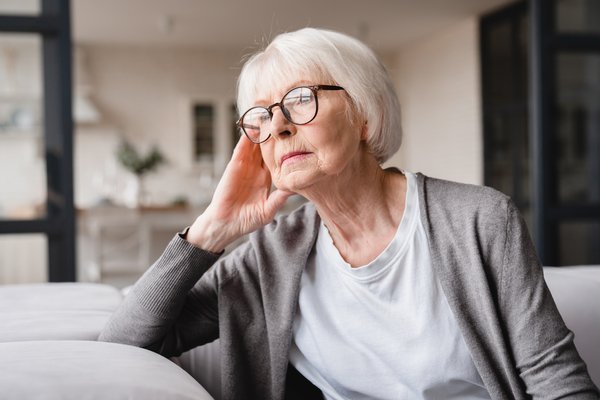
The most common mental illness among older adults is depression. It's not simply a case of "feeling down"; it's a clinical condition that can affect energy levels, mood, motivation, and overall wellness.


While depression can occur at any age, it often goes undiagnosed or unspoken in seniors. Older adults may assume it's a normal part of aging, but it isn't. It's a real, treatable condition that deserves attention.


Common symptoms of depression in elderly individuals include:

  • Persistent sadness or hopelessness

  • Loss of interest in usual hobbies

  • Trouble sleeping or oversleeping

  • Low appetite or lack of energy

Recognizing these signs early can make a major difference. Seniors who feel supported emotionally are more likely to stay socially connected, physically active, and engaged with life.


Why Older Adults Are at Higher Risk

As we age, life naturally changes, and those changes can deeply affect our mental state.


For many, retirement shifts their daily rhythm. Friends move, family members may live far away, and loved ones pass on. These life transitions can lead to feelings of loss, isolation, or lack of purpose.


Other risk factors that may affect mental health in aging adults include:

  • Ongoing physical pain or illness

  • Memory loss or early cognitive decline

  • Reduced mobility or independence

  • Fewer opportunities for routine interaction

All of these can contribute to a feeling of disconnect. In memory care settings, behavioral changes can mask emotional ones, which is why memory care behavioral health requires a focused, compassionate approach.


Signs of Depression in Seniors

Recognizing the signs of depression in seniors isn't always easy. Some symptoms may appear slowly or be mistaken for normal aging.


Here are some key changes to watch for:

Mood Changes

Feelings of sadness, anxiety, or irritability that linger beyond a few days may signal deeper emotional strain.


Loss of Interest

Activities once enjoyed, from gardening to playing cards, may be avoided altogether.


Appetite or Sleep Shifts

Sleeping too much, sleeping too little, or eating less than usual can all be emotional red flags.


Memory or Concentration Problems

Some seniors show forgetfulness or trouble focusing, which can be linked to depression, not just memory loss.

These signs often include:

  • Sad or low mood

  • Losing interest

  • Appetite shifts

  • Sleep pattern changes

  • Trouble focusing

None of these should be dismissed. Small changes often point to deeper feelings.


Why It Matters to Quality of Life

Depression affects far more than mood; it touches nearly every part of daily life. Seniors experiencing ongoing sadness or low energy may withdraw from others, miss out on favorite activities, or lose confidence in themselves.


Left unaddressed, depression can reduce a senior's interest in health routines, make meals feel like chores, and cause emotional distance from loved ones.


That's why so many communities invest in senior wellness programs that focus on building connection, joy, and purpose. Whether it's a walk around the garden, a group cooking class, or a shared laugh during bingo, small social moments can bring major emotional rewards.


How Discovery Commons Supports Emotional Wellness

At Discovery Commons at Bradenton, emotional support in senior living is part of everyday life. Our community is designed not just to support needs, but to encourage meaningful connection, which plays a key role in maintaining a positive outlook.


Social Engagement Daily

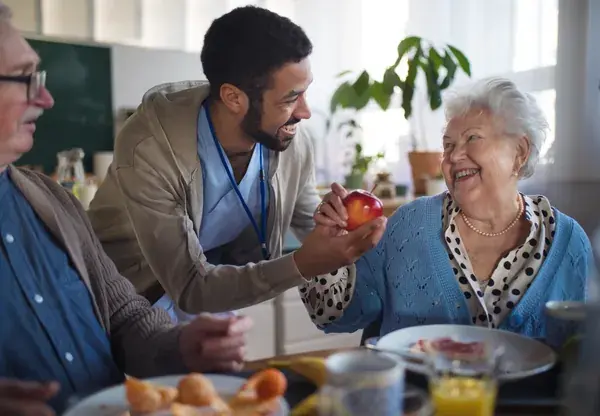
Residents participate in daily programs that promote interaction and community bonding. From live music to group dining to game nights, there are countless chances to laugh, talk, and connect.


Purposeful Activities

We offer hands-on programs like art classes, gardening, and fitness groups that give residents a sense of purpose and joy. Purpose is key to emotional wellness, especially during retirement.


Memory Care Support

In our memory care neighborhood, residents follow structured routines and receive added attention to behavioral cues. Our team understands the emotional layers involved in cognitive challenges and promotes comfort through familiarity and care.


Family Involvement Encouraged

We encourage loved ones to visit often, attend events, and be part of everyday life here. That connection to family plays a big role in how supported and grounded residents feel, especially during emotional highs and lows.


Together, these approaches support long-term mental well-being in a warm, compassionate setting.


Short Everyday Strategies

Even small changes in routine can positively influence a senior's emotional health. Whether living in a community like Discovery Commons or at home with loved ones, these easy practices can help:

Simple steps to boost mood:

  • Keep a gratitude journal

  • Visit community events

  • Maintain a balanced diet

  • Stick to daily schedules

Each of these supports both emotional stability and a greater sense of self. It's a reminder that mental health isn't just about big moments; it's in the little daily wins.


What Is the Most Common Mental Illness in the Elderly?

So, what is the most common mental illness in the elderly? The answer is depression, but the good news is, seniors don't have to face it alone.


At Discovery Commons at Bradenton, we believe emotional wellness deserves just as much focus as physical health. Through thoughtful programs, engaging routines, and meaningful connections, we help our residents feel seen, heard, and supported.


If you're looking for a community where emotional well-being is part of everyday living, schedule a visit and discover how our Bradenton community supports seniors in feeling truly at home, inside and out.

Get Ready to Explore Our Community